
Leave Your Message

Blog

Best CNC Cutting Bits Supplier in China?

Best CNC Cutting Bits Supplier in China?

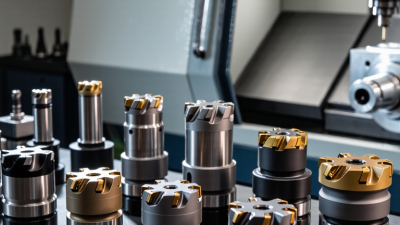
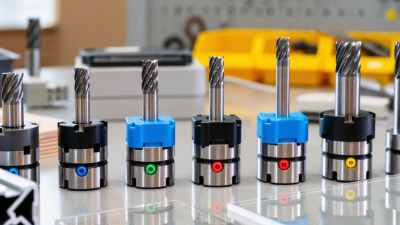
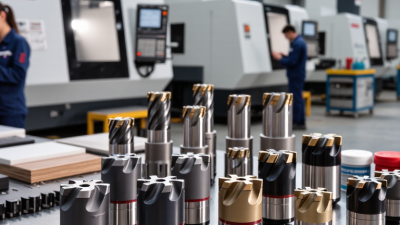
Choosing the best Cnc Cutting Bits supplier in China? It's about way more than comparing prices. Honestly, you need consistent dimensions, carbide grades you can trust, and coating options that are actually explained. And when a tool wears out too fast, you want someone who'll help you troubleshoot, not just sell you another one. A bit can look perfect on paper—flawless specs, all the numbers. But its true performance only shows up when it's cutting real material at production speed. That's the real test. Look, industry context definitely matters—but you have to read into it carefully. Take this: the International Federation of Robotics counted 541,302 industrial robot installations worldwide in 2023, and about 70% of those were in Asia. China alone accounted for 276,288 of them. These numbers come from World Robotics 2024, and they’re really about automation, not cutting-bit sales. Still, they do show why manufacturers care so much about reliable tooling and repeatable machining processes. Honestly, you wouldn't think tiny differences in runout, flute geometry, or edge quality would matter that much—but they really do. On the shop floor, that can mean a bunch of rework, or a clean edge on the first pass. Here’s the thing: a good supplier should be able to tell you—without all the jargon—what materials they work with, their tolerances, how they inspect things, and where their products hit their limits. Don’t just take their word for some shiny performance claim. Ask for test data that actually matches what you’re using, whether that’s aluminum, hardwood, or composite panel. And if you can get samples, do it. Run them under the same settings you normally use and compare cut quality and wear side by side. One more thing that’s easy to miss: CNC cutting bits aren’t a one-size-fits-all deal. Just because a bit works on one machine or job doesn’t mean it’ll work on yours. Look, no supplier is perfect. A glossy catalog might look great, but it’s not the same as actually testing things out. In the next sections, we’ll get into some practical ways to vet Chinese suppliers, double-check their claims, and find a partner who’ll actually support your production the way you need.
Read more »
Sophia By:Sophia - November 6, 2026
10 Tips for Choosing CNC Milling Cutting Tools

10 Tips for Choosing CNC Milling Cutting Tools

So, picking the right CNC milling cutting tools isn't just a box to check—it's a real decision that can make or break your surface finish, cycle time, and how long your tools last. Honestly, you can't just look at the catalog and grab whatever seems close; it has to actually fit your workpiece, your machine, your setup, and the specific operation you're running. Even a brand-new end mill will start chattering like crazy if you've got too much stick-out or the workholding is a bit shaky. The little things? They really do matter—way more than people think. So, the International Federation of Robotics just dropped their World Robotics 2024 report, and guess what? They counted over 4.28 million industrial robots humming away in factories worldwide back in 2023. That’s a huge number, no doubt about it—but here’s the thing: it doesn’t really tell us much about CNC milling or whether automation automatically makes machining better. At the end of the day, picking the right tool still comes down to what actually works in your specific setup—stuff like the material you’re cutting, your cutting data, how you’re handling coolant, and yeah, what you see happening with tool wear. It’s not just a numbers game. Alright, so this guide walks you through ten things to think about when you're making that call—stuff like the substrate, the coating, the flute geometry, and how the chips get evacuated. But I've gotta be upfront: we didn't have any source articles or verified expert quotes to draw from. So naming a specific expert or slipping in a quote without a reliable reference? That would just be making things up, and nobody wants that. The smart move is to take whatever recommendations you come across and cross-check them against the toolmaker's own data, a few controlled trials, and, of course, your actual machine setup. Honestly, sometimes the smartest move is to just start simple — take a quick look at the chips, give it a listen for any chatter, and maybe run a gauge over the finished surface. You know, get a feel for what's going on before you dive in.
Read more »
Emily By:Emily - November 4, 2026
Top 10 Laser Tube Cutters for Every Budget

Top 10 Laser Tube Cutters for Every Budget

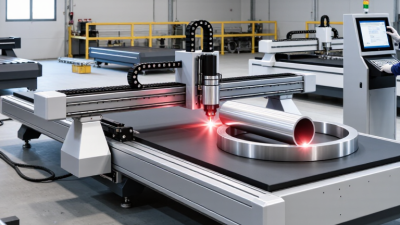
Picking a laser tube cutter isn't only about the price tag or how fast it cuts. You've got to think about what you're actually working with—your materials, the tube sizes you handle, how much volume you're producing, and honestly, how much room you've got on the shop floor. A budget machine might be totally fine for occasional jobs, but if you're running more serious production, spending a bit more could get you quicker loading, steadier output, or a setup that's way less of a headache. The little things really do count. You know how people love to quote Theodore Maiman, the laser guy? He supposedly said, “The laser is a solution looking for a problem.” There’s a lesson in that for anyone running a shop: figure out what you actually need to make before you fall for shiny specs. Honestly, a machine can look amazing in the brochure and still be totally wrong for your parts. So when vendors come calling, ask them to cut samples from your material. Compare edge quality, setup time, and support — don’t just get hung up on the wattage. Alright, so we’ve gone ahead and looked at ten different laser tube cutters, from budget-friendly models to ones that’ll really stretch your wallet. We focused on the stuff that actually matters day to day: what tube shapes they handle, material capacity, automation, software, and how easy it is to get service when needed. One thing we’d definitely tell buyers—don’t just look at the sticker price. Ask what’s included. Installation, training, tooling... all that can add up fast and change the real cost. There’s no single winner here, honestly. Some specs are straightforward to compare, but how a machine feels to use is a different story. You really need operators to get hands-on with the controls and load some real stock before you can judge that. Look, that gap is worth paying attention to—seriously. Don’t treat these picks as the final answer. Use them as a shortlist, sure, but then take the time to check each machine against your own production needs before you commit to anything.
Read more »
Emily By:Emily - November 2, 2026
What Is the Best Metal Laser Cutter from China?

What Is the Best Metal Laser Cutter from China?

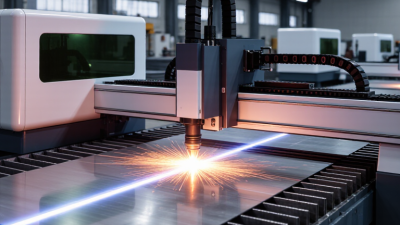
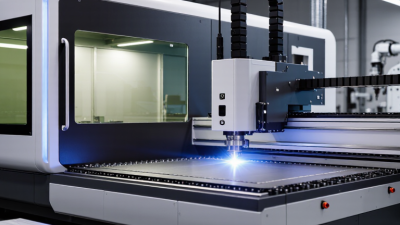
When you're trying to pick the best Metal Laser Cutter from China, don't start with the brochure—start with the part you're actually cutting. Honestly, a shop doing 6 mm stainless steel is going to need a totally different setup than a factory running thick carbon-steel plate. I'm talking power, assist gas, motion control—the works. And yeah, a clean edge matters, but so does being able to repeat that same cut over and over through a full shift. So Grand View Research put the global laser cutting machine market at around USD 6.06 billion in 2023, and they’re projecting growth through 2030. That sounds impressive—and sure, it’s a competitive market. But honestly, a big market number doesn’t tell you which Chinese supplier is actually the best fit for you. You still have to get down to the nitty-gritty: check the laser source brand and rated power, look at real cutting samples, verify positioning accuracy, see how responsive their service team really is, and calculate the total operating cost. Oh, and definitely ask for a test cut using your own material and thickness. That’s the real proof. You really should check out the edge in person, you know? Look, Dr. Reinhart Poprawe—a real authority in the laser world—has talked a lot about how lasers are changing modern manufacturing. But instead of putting words in his mouth with some quote we can't verify, let's focus on the practical takeaway: it's really a buying question. Can the machine deliver stable results under your actual production conditions? That answer comes from evidence, not slogans. So dig into the configuration, see exactly what the warranty covers, and ask for references from people running similar jobs. No single machine wins every job. You know, when you really take the time to compare, it’s surprising how much it helps—you find the right fit, but it also kinda exposes those gaps you might want to look at again.
Read more »
Emily By:Emily - November 1, 2026
2026 Top CNC Milling Machine Types for Global Buyers

2026 Top CNC Milling Machine Types for Global Buyers

Honestly, when you're picking a CNC milling machine in 2026, it's less about bragging rights over spindle size or tool-change speed and more about matching the machine to what you actually make. A small vertical mill might be all a shop needs if it's mostly cranking out brackets and housings. A horizontal machine? That can be a solid pick when you're doing bigger batches and repetitive cuts. And if you're dealing with complex surfaces, five-axis setups let you skip a bunch of re-fixturing. But every option comes with trade-offs—floor space, whether your operators can handle it, upkeep, and just how much it costs to keep things running smoothly. So, John T. Parsons—the numerical control pioneer—really helped lay the groundwork for programmable machining. Quick disclaimer: there’s no verified quote from him here. What follows is more of an editorial paraphrase, but it captures a practical lesson tied to his work: let the part geometry and required tolerances guide your machine choice. That’s a solid rule of thumb, honestly, especially when you’re weighing vertical, horizontal, gantry, bed-type, or multi-axis machines against each other. Honestly, take a good look at the sample part—the material, dimensions, tightest tolerance, and how many faces you’ll need to machine. Those small details end up mattering a lot. Just because a machine looks great on a spec sheet doesn’t mean it’ll be smooth sailing; you might be dealing with extra fixtures, fiddly programming, or more maintenance than you bargained for. And before you commit, you’ll want to check spindle power, axis travel, control compatibility, service access, and whether replacement parts are actually available down the road. Don’t go thinking more axes always means lower costs—that really depends on the job mix and how experienced the operator is. Yeah, you’ll probably see “Cnc Machine Milling Machine” pop up in search results, but at the end of the day, clear technical specs are what actually matter, not some awkward label. Let’s be real—comparing machines can get overwhelming. This guide walks you through the common types and what you’re really trading off with each one. So if you’re buying globally, you can narrow down your shortlist with fewer assumptions. And honestly? You’ll know what to ask before you even request a quote.
Read more »
Emily By:Emily - October 31, 2026
10 Best CNC Cutting Machines for Every Budget

10 Best CNC Cutting Machines for Every Budget

Honestly, picking from the 10 best CNC cutting machines isn't really about going for the biggest motor or the cheapest price tag. It's more about finding the machine that fits the work you actually do. Like, a small desktop router? It'll handle signs, templates, and thin plywood just fine. But if you're cutting wider sheets or doing longer production runs, a heavier gantry machine is going to serve you a lot better. So the right choice comes down to things like material, work area, accuracy, software, and — honestly, don't overlook the support you can get after you buy it. Look, John T. Parsons basically paved the way for CNC, but I couldn't track down a solid, direct quote from him about how to buy machines today. Still, there's a principle you can take from his work: choose repeatable accuracy for what you're actually doing, not specs that look amazing on paper but you'll never use. That difference is huge. A rigid frame, setup instructions that don't leave you guessing, and tech support that actually picks up the phone will save you far more time than a spindle rating that grabs headlines. And keep in mind—price alone can be its own trap. Let’s be real: when you’re shopping for a CNC cutting machine, it’s easy to get caught up in the specs. So this guide breaks things down by budget—entry-level, mid-range, and professional—and then looks at the stuff that actually matters in practice, like cutting area, compatible materials, calibration, and how steep the learning curve is. Oh, and one more thing: a Cnc Cuting Machine might look great on a product page, but it can feel totally different once it’s sitting in a crowded workshop. First things first—check what’s actually included in the box, what you’ll have to buy separately, and whether replacement parts are easy to find down the road. Honestly, no single machine works perfectly for every maker. These comparisons are more about spelling out the trade-offs than promising flawless results. And even with a strong shortlist, there’s really no substitute for testing the machine against your own materials, workspace, and the kind of workload you deal with.
Read more »
Sophia By:Sophia - October 29, 2026
China Top 10 Laser Tube Machine Manufacturers?

China Top 10 Laser Tube Machine Manufacturers?

Picking the right laser tube machine isn't just about comparing wattage or how fast it claims to cut. Honestly, you need something that can handle all sorts of tube shapes—round, square, rectangular, even those weird irregular ones—without losing accuracy. And let's not forget about the people actually using it. They want features that make life easier: auto loading, rotary chucks, autofocus, nesting software, and maintenance points you can actually reach. It's the little things, you know? A clean cut alone can save you a ton of time on finishing. So, I’ve put together this rundown of ten big names in the industry—TRUMPF, Bystronic, Han’s Laser, HGTECH, Bodor, HSG Laser, GWEIKE, SENFENG, Golden Laser, and Hymson. When I compared them, I looked at stuff like how long they’ve been around, the build quality of their machines, what laser options they offer, their control systems, safety features, and of course, the kind of support you get after the purchase. Plus, I dug into what actual customers have been saying. It’s a lot to weigh, but hopefully, this makes it easier to see who stands out. We also look at how the Tube Fiber Laser Cutting Machine holds up when things get tough—think steel frames, car parts, construction profiles, even furniture bits like drawer fronts. It's not just about cutting; it's about handling the heavy-duty stuff without breaking a sweat. You know, rankings aren't everything. The way a regional service team handles things can totally make or break your experience. Like, even a top brand might let you down if spare parts take forever to arrive. On the flip side, a budget-friendly model could surprise you in a shop that's really on top of things. That's something worth keeping in mind. And honestly, public specs don't tell you the whole story—vibration, lens smudges, how long it takes to learn the software, or whether the operator actually knows what they're doing. Those are the real-world hiccups you won't see on a spec sheet. So, this guide kind of pulls together all the tech specs and what you should actually think about before buying. Honestly, you really should ask for sample cuts, check the test results yourself, make sure the warranty actually covers what you think, and talk to someone local about support before you commit. Even if you've bought similar stuff before, it's easy to miss things like installation quirks. You know, how much floor space you've got, whether the power is stable, the tube lengths, and even how forgiving the material is—all that can make or break your results. These brands are solid options, but at the end of the day, you've got to do your homework and double-check everything.
Read more »
Emily By:Emily - October 28, 2026
10 Tips for Choosing the Best Industrial Laser Cutter?

10 Tips for Choosing the Best Industrial Laser Cutter?

Look, picking the right Industrial Laser Cutter isn't about what looks good under neon lights. It's a production decision—plain and simple. That machine might seem like a beauty queen in the showroom, but when it comes to your real-world sheet thickness, reflective metals, or just your daily grind, it could totally flop. You know, in real-world testing, it's the little things that really trip you up. That 6-millimeter stainless steel edge, the 1.5-millimeter mild-steel bracket, or even a nozzle that's just slightly off – those tell you more than any slick demo ever could. So the market's really taking off, you know? Grand View Research says the global industrial lasers market hit about $7.33 billion in 2023, and it's not slowing down anytime soon—they expect growth through 2030. And that's not just one source; Fortune Business Insights is also seeing big gains in the laser cutting machine space, thanks to demand from automotive, aerospace, electronics, and metal fabrication. But here's the thing: all these numbers point to opportunity, but they don't exactly tell you which machine is perfect for your factory. Honestly, there's still a lot to verify before we can move forward. I mean, we're talking about production volume, the material mix, how accessible the service is, whether it'll play nice with our software, and what the ongoing costs look like. And yeah, sure, wattage matters, but it's not the whole story. Look beyond that. So, when you're really trying to figure out if a laser cutter is worth it, you gotta look at more than just the price tag. I mean, you need to check the quality of the laser source itself, and see how fast it actually cuts when you're using it, not just on paper. Also, the bed size matters, especially if you're working with bigger pieces. And don't forget about automation - is it easy to set up? Then there's extraction, because you don't want fumes filling your workshop. And of course, safety is huge - you've got to make sure the operator is protected. Now, there's this ISO standard 11553-1 that gives some solid guidelines on safety for these machines, so that's worth reading. The manufacturer should also be upfront about guarding, interlocks, and how to maintain the thing - all that should be crystal clear. But honestly, don't just take their word for it. You've got to test those vendor claims yourself. Look, even big-name brands can show off specs that look amazing on paper but fall flat when you're working in a dusty workshop or with a batch of material that just isn't consistent. That's why I've put together ten practical tips to help you compare machines with a lot more confidence. And let's be honest here – the cheapest option you see might end up being the most expensive mistake if you ignore things like downtime, consumables, training, and those delayed orders that always seem to pop up.
Read more »
Emily By:Emily - October 26, 2026
China Top 10 CNC Metal Sheet Manufacturers

China Top 10 CNC Metal Sheet Manufacturers

When you look at China's metal fabrication market, you're basically seeing two things at once: huge production capacity, and engineering that's getting more and more precise. In this guide, we're going to walk through ten of the leading manufacturers that work with international buyers looking for CNC metal sheet products. And honestly? It's all about practical capabilities, not the usual marketing hype. When you're comparing suppliers, it's not just about cutting accuracy. You also want to look at sheet thickness, the materials they can handle, forming capability, welding quality, surface finishing, and how they handle inspection. On top of that, check their production equipment, engineering support, sample development, and export experience. Because let's be honest—buyers usually need more than just a cheap quote. If panels have to line up with frames, covers, or machine assemblies, stable tolerances are a big deal. So yeah, CNC laser cutting for sheet metal can give you really clean edges. But honestly, the final result still comes down to things like programming, the condition of the material, and how experienced the operator is. Honestly, the real factory details are what matter. If a supplier is truly reliable, they should be able to walk you through their machines, measurement tools, lead times, packaging, and what they do when something goes wrong. Certifications? Sure, they can help build credibility. But just having certificates doesn't prove the workmanship is consistent. So ask for inspection records, production photos, and some representative samples. You'd be surprised how much the small stuff tells you. This overview is really meant for engineers, sourcing folks, and product managers. It looks at manufacturers using evidence-based criteria and practical questions you'd ask when buying. And no ranking here is set in stone. Capabilities shift as equipment, staff, and investment change. On top of that, some public info can be incomplete, so you'll still want to verify things independently. That's just the honest catch. Before you place an order, check what their current capacity actually looks like. Honestly, if you take the time to vet them properly, picking the right Chinese partner can help you cut down on rework, keep your project timelines on track, and make sure production stays reliable over the long haul.
Read more »
Sophia By:Sophia - October 25, 2026
China Top 10 CNC Milling Machine Manufacturers?

China Top 10 CNC Milling Machine Manufacturers?

These days, it’s getting tough to size up China’s CNC manufacturing scene just by looking at the price tag. When you’re talking about a CNC milling machine, what really matters now is stuff like spindle stability, thermal control, how well the software fits together—and honestly, after-sales support too. So for buyers? A glossy brochure alone doesn’t cut it anymore. So, the China Machine Tool Industry Association says investment in high-end CNC equipment is still going strong—especially for automotive, aerospace, and precision mold work. Grand View Research also points to automation, multi-axis machining, and connected factory systems as big drivers in the CNC machine market. But here's the thing: different research firms don't always agree on the market numbers. And that uncertainty? It matters. I mean, it’s a good reminder, honestly: rankings should be upfront about how they do things—not act like they’ve got the absolute truth. You know? So, this guide takes a look at ten Chinese manufacturers that really matter—names like Haitian Precision, Shenyang Machine Tool, Dalian Machine Tool Group, and BOOHI. Along the way, it compares things like machine accuracy, working envelope, spindle speed, control systems, delivery experience, and service coverage. And honestly? You can see a lot of that once you're out on the factory floor—a stable cut, a clean surface, and fewer hiccups during a night shift. So Peter Zelinski, the editor-in-chief over at Modern Machine Shop, has emphasized it this way: “Automation works best when it supports skilled people, rather than simply replacing them.” And honestly? That same principle applies directly to every Cnc Machine Milling Machine evaluation. A CNC milling machine might look super advanced, but honestly? Operator training and maintenance often make or break its real value. This list is handy, though it's not perfect. Regional service data can be patchy, and some manufacturers don't exactly share much long-term performance proof. So if you're a careful buyer, do your homework first - check test parts, warranty terms, and local references before you sign any purchase agreement.
Read more »
Emily By:Emily - October 24, 2026
What Is Laser Cutting Equipment and How Does It Work?

What Is Laser Cutting Equipment and How Does It Work?

So, what exactly is Laser Cutting Equipment? And how does it actually work inside a real manufacturing workshop? Well, it’s way more than just a powerful beam. A full setup pulls together a laser source, a focusing lens, a motion system, control software, a worktable, and—oh yeah—the assist-gas supply. So when you put it all together, these parts take your digital drawings and turn them into precise, controlled cuts—whether you're working with metal, acrylic, wood, or pretty much any other material that fits the bill. So, John F. Ready—a well-respected researcher in laser processing—put the basic idea pretty clearly: “A laser is a source of intense, coherent light.” That focused light hits a tiny spot and heats the material up fast. Depending on what’s happening, the material can melt, vaporize, or crack apart from thermal stress. To clear away molten material from the cut zone, you can use oxygen, nitrogen, or compressed air. And a CNC controller is what moves the cutting head along the programmed paths. So you end up with a narrow kerf, clean geometry, and production you can repeat. Not bad, right? But it’s not exactly push-button easy. Things like thickness, reflectivity, surface condition, the lens you choose, and cutting speed can all change the outcome. A setting that works just fine on mild steel might totally struggle on stainless steel. Heat can also leave discoloration or a bit of warping. And even at companies like TRUMPF and Bystronic, operators still inspect edges, test parameters, and fix whatever isn’t quite right. That human judgment? It really matters. Okay, so this explanation is a simplified one. Real machines? They don't always behave so neatly, of course. But even with that in mind, getting a handle on the beam path and how materials respond gives buyers a pretty practical place to start. In the guide that follows, we'll look at the different machine types, the operating steps, safety controls, maintenance needs, and what factors to consider when choosing. We'll also cover where laser cutting equipment can help with precision, productivity, and making better use of materials.
Read more »
Clara By:Clara - October 22, 2026
What Is a Laser Tube Machine and How Does It Work?

What Is a Laser Tube Machine and How Does It Work?

What is a Laser Tube Machine, and how does it work in real production? A Laser Tube Machine uses a focused laser beam to cut or engrave metal tubes and profiles. The beam melts or vaporizes a narrow area. Assist gas then removes the molten material. A rotating chuck or clamping system turns the tube during processing. The machine follows programmed paths from CAD drawings. It can create holes, slots, miters, and complex joints. The principle is precise, but the results depend on more than laser power. Tube diameter, wall thickness, material grade, chuck alignment, and gas pressure all affect accuracy. A Tube Fiber Laser Cutting Machine usually offers fast processing and lower operating energy than many older laser systems. However, “fast” does not always mean better. Poor loading can still cause scratches, vibration, or dimensional errors. Industry reports show why this technology is gaining attention. Grand View Research estimated the global laser cutting machine market at about USD 5.73 billion in 2023. It also projected continued growth through 2030. Fortune Business Insights reported a different 2023 estimate, near USD 6.32 billion. These figures vary because research firms use different market definitions. That difference deserves attention. It reminds buyers to inspect technical evidence instead of trusting impressive forecasts. In practice, operators should check cutting samples, tolerances, maintenance access, software compatibility, and service support. ISO 9013 provides useful guidance for thermal-cutting quality classification. Safety also requires guarding, ventilation, training, and approved operating procedures. A reliable evaluation connects published specifications with production experience. The best machine is not automatically the most powerful. It is the one that repeatedly delivers clean edges, stable dimensions, and predictable costs.
Read more »
Emily By:Emily - October 20, 2026
Top 10 CNC Engraving Tools for Global Buyers?

Top 10 CNC Engraving Tools for Global Buyers?

Picking the right Cnc Engraving Tool from a Top 10 list? For global buyers, it's not just about price. A machine can look amazing online and then act like a total diva on a crowded workshop bench. So this guide looks at each Cnc Engraving Tool in practical terms: spindle stability, cutting accuracy, software compatibility, noise, and what happens after you hit “buy” — like after-sales support. We looked at manufacturer specs, verified user feedback, and the kinds of headaches that show up in everyday workshop life. Materials matter a lot. A tool that handles plywood just fine may struggle with aluminum or acrylic. Before ordering, check spindle speed, collet size, working area, frame rigidity, and emergency-stop design. And don't forget shipping. A damaged gantry or missing power adapter can set you back weeks. Honestly? There's no perfect choice. The tools picked here fit different users — from hobby makers to small production teams. Some have stronger frames. Others are easier to set up or just offer better value. Rankings shift as models, prices, and support policies change. That's a real limitation. So confirm voltage, warranty coverage, replacement-part access, and regional compliance with the supplier. A good purchase starts with realistic expectations. Engraving fine lettering on wood is a different job from cutting repeated aluminum panels. Test samples, maintenance instructions, and operator training can matter as much as the machine itself. This article is meant as a clear, evidence-based starting point — not a final verdict. Even experienced buyers should double-check current specs before committing to one Cnc Engraving Tool.
Read more »
Emily By:Emily - October 16, 2026
How to Choose a CNC Fiber Laser Machine in 2026

How to Choose a CNC Fiber Laser Machine in 2026

Picking a CNC fiber laser machine for 2026? It's not just a numbers game—laser power and sticker price only tell part of the story. The smart choice ties together your production goals, the materials you actually run, safety controls, service support, and total operating cost. Grand View Research expects the global laser cutting machine market to keep growing through 2030, pushed by automation, precision manufacturing, and the need to process metal faster. Fortune Business Insights also points to fiber laser tech as a strong growth area, especially in automotive, construction, electronics, and general fabrication. Market forecasts are helpful, sure, but they don't run a shop. A 6 kW source might slice thick carbon steel quickly, yet it could be overkill for a workshop making small stainless-steel parts. When you evaluate a machine in person, look closely at the cutting head, nesting software, chiller, extraction system, and motion accuracy. Watch an actual test cut. Check edge quality, piercing time, dross, and heat distortion. Ask about service response times and spare-part availability in your area. Those details usually matter way more than a shiny brochure. A reliable Cnc Fiber Laser Cutting Machine should fit your daily workload—not some imagined future factory. It's worth reviewing data from groups like the International Organization for Standardization, the International Federation of Robotics, and independent market research firms. Their findings give useful context, even if their methods differ. And that limitation is worth paying attention to. Energy use, operator skill, material prices, and maintenance habits can all change the final result. This guide looks at the technical and commercial factors that help buyers make a defensible choice in 2026. Mistakes can still happen. Careful testing helps lower the odds.
Read more »
Clara By:Clara - October 14, 2026